
Color That Flows: A Whole‑Home Palette That Feels Effortless

Today we dive into a whole-home palette strategy: color and texture decisions that guide a remodel, turning scattered rooms into a connected experience. You’ll learn how sightlines, light, finishes, and fabric weaves collaborate, so each space keeps its identity while echoing a shared story. Expect practical tools, honest anecdotes, and choices you can apply immediately.

Mapping Flow from Entry to Bedroom

Begin by tracing how your eye travels from the front door through hallways, into shared spaces, and finally toward quieter rooms. Establish a small family of anchor hues and materials that repeat with subtle shifts. This continuity calms transitions, reduces visual noise, and makes even modest floor plans feel expansive, coherent, and welcoming without sacrificing personality, variation, or delightful, intentional surprises.

Sightlines and Anchor Hues

Stand in key doorways and note what walls, furniture, and windows align in one view. Choose an anchor hue that appears in each vista—perhaps as a wall color, rug motif, or art accent. By repeating that hue intentionally, adjacent rooms relate and breathe together, easing movement and guiding attention. The result feels polished, planned, and emotionally reassuring every single day.

Transition Neutrals That Breathe

Between feature rooms, hallways and landings need a neutral that balances undertones across connected spaces. Select a neutral with a compatible undertone to nearby colors, then repeat it on trims or doors for rhythm. This helps bold rooms feel grounded, prevents clashing moments, and grants your eye a resting place while still supporting character, warmth, and evolving decor through seasons and life.

Material Rhythm Across Floors

When floors change—tile to wood, or stone to luxury vinyl—carry continuity through tone and texture rather than identical surfaces. A warm oak’s grain can echo a clay tile’s earthy note. Add woven runners to bridge personality. This rhythm lets rooms converse without monotony, protecting originality while ensuring a seamless journey that quietly cues cohesion and comfort in motion.

Texture as the Quiet Designer

Texture directs feeling as strongly as color. A matte wall absorbs light and whispers calm; a nubby linen invites touch; a glossy lacquer table reflects lively energy. Use texture to sculpt mood and pace throughout your home. Blend smooth with tactile, cool with warm, and refined with rustic, so every surface contributes meaningfully to depth, dimension, and lasting comfort.

Matte, Satin, and Gloss in Concert

Sheen is an underrated instrument. Matte softens imperfections and creates serenity in bedrooms; satin resists wear in busy halls; semi-gloss or gloss pops trim and cabinetry with architectural clarity. Mix deliberately so highlights appear where you want attention and softness where you want calm. This balance enhances color perception, durability, and cleaning ease, without overwhelming spaces or chasing fleeting trends.

Natural Fibers and Wood Grain

Introduce authenticity with wool rugs, linen drapery, and solid wood grain that carries quiet movement across rooms. These materials age gracefully and complement paint colors by supplying depth the eye can feel. Even restrained palettes come alive when textures vary. Try pairing a smooth plaster wall with ribbed upholstery, allowing light to rake surfaces and create dimension throughout the day.

Stone, Tile, and Grout Tone

Stone and tile carry both color and micro-texture, while grout quietly influences the whole read. A slightly warmer grout can soften crisp ceramics; a cooler one sharpens geometry. Repeat a subtle stone fleck in countertops, hearths, or niches. These echoes keep spaces related without feeling identical, and they support long-term maintenance because natural variation hides wear gracefully and beautifully.

Light, Mood, and Paint Science
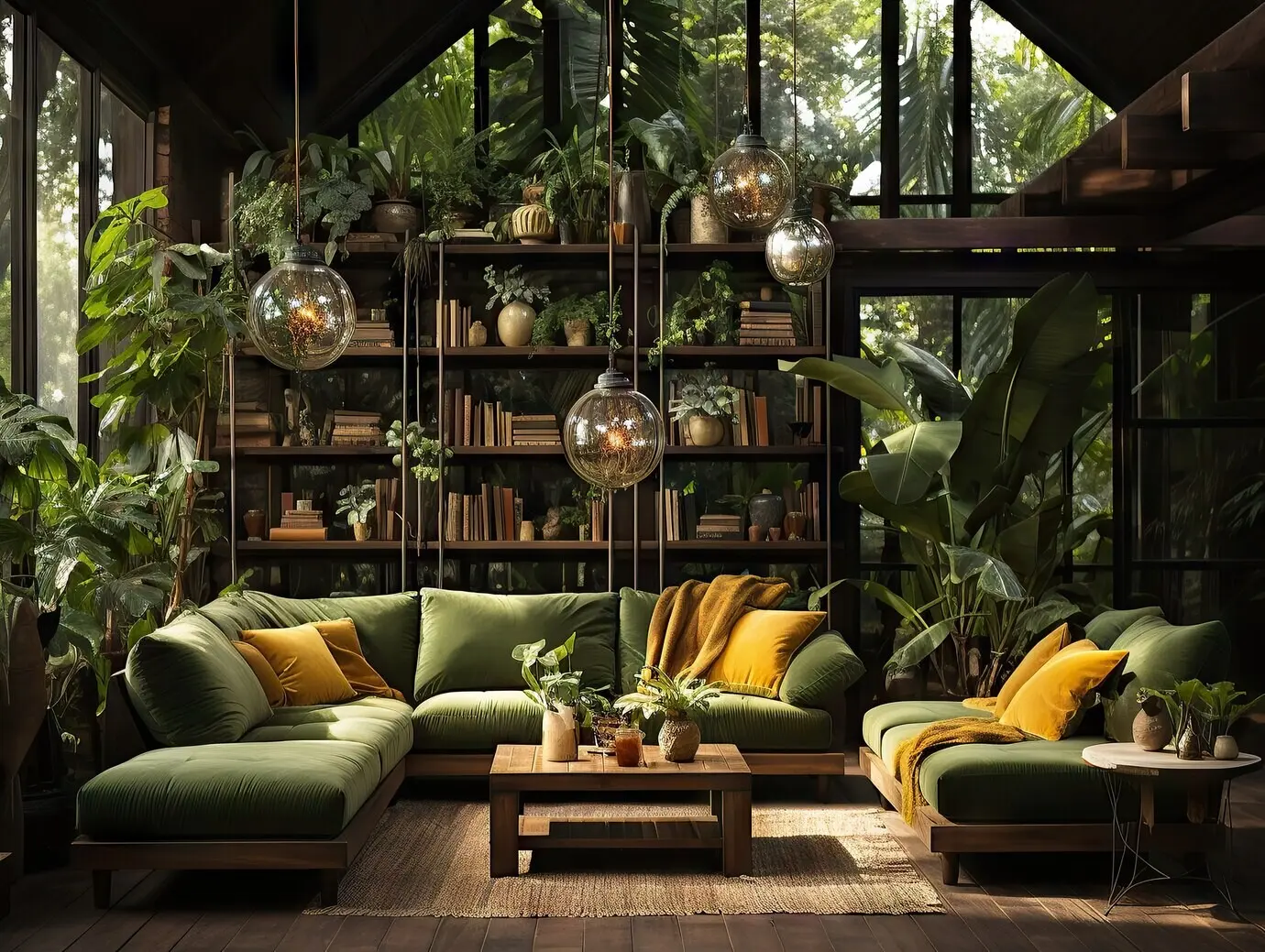
Color depends on light. Understand Light Reflectance Value (LRV), Kelvin temperature, and undertones before committing. High-LRV paints can brighten small rooms; warm bulbs deepen reds and golds; north light cools hues noticeably. Evaluate samples at different times of day, alongside flooring and fabrics, to confirm harmony. Knowledge turns guessing into confident decisions that hold up under real, changing conditions.

Real-World Story: A Split-Level Reinvented

A family of four wanted connection without open-plan sameness. Their living room felt moody, kitchen bright, and hallway forgotten. We chose three anchors—soft clay, inky blue, and warm oak—and repeated them differently. The result honored zones while knitting everything together. Mistakes taught patience, sampling taught courage, and their everyday routines now move with ease, warmth, and renewed pride.

01

A Palette Conversation at the Kitchen Table

We taped big color boards along cabinets, laid fabric swatches on the table, and spilled coffee once, which became a lesson about realistic finishes. The family voted with sticky notes. Kids loved the inky blue island; parents wanted calm walls. Our compromise used clay walls, blue on the island, and oak stools—three anchors appearing repeatedly, each space personalized thoughtfully.

02

Unexpected Hero: The Stair Rail

A tired, orange-toned rail cut the house in half visually. Rather than replace it, we stained it deeper to echo the island’s blue shadow and oiled the treads for natural warmth. Suddenly, upward sightlines felt intentional. That single gesture linked entry, landing, and loft, proving one strategically repeated element can stitch spaces together more powerfully than costly, disruptive demolition.

03

The Two-Week Touch-Up Plan

After living with changes, small tweaks surfaced. We shifted lamp bulbs to 3000K, swapped a glossy vase for a matte bowl, and added a woven runner to calm the hallway echo. Two weeks of light adjustments polished everything. Built-in review time honors real life, reduces regret, and ensures choices serve routines, not the other way around, every single day.

Testing Without Regret

Cohesion Without Boredom

The 60/30/10 Proportion That Actually Works
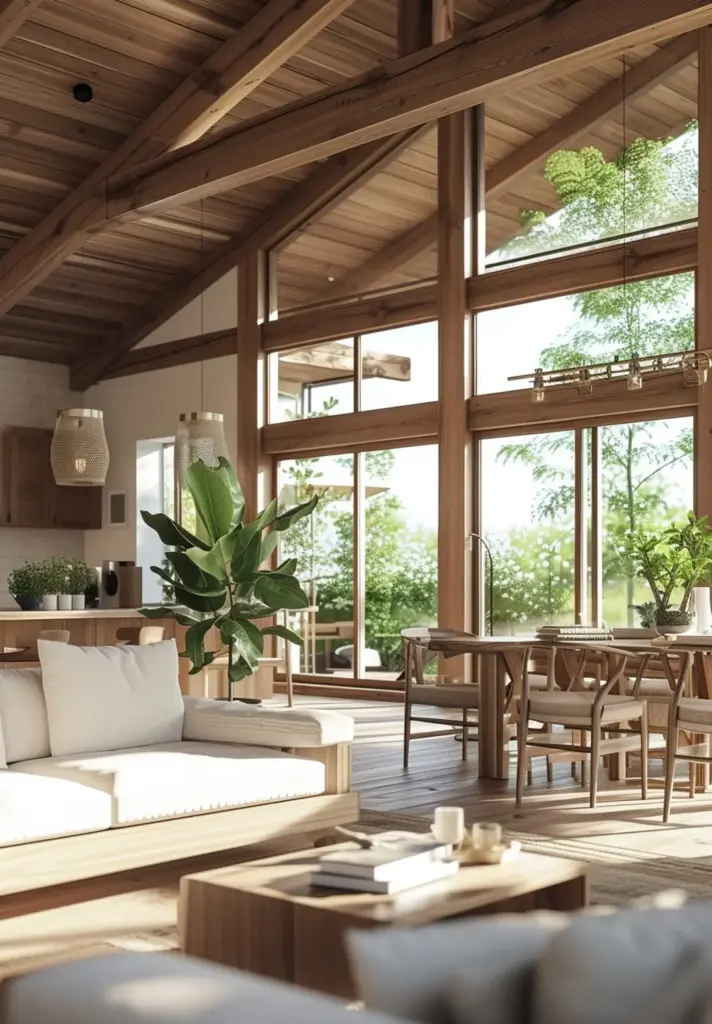
Use roughly sixty percent foundational color, thirty percent supporting tones, and ten percent accents. Apply this across rooms, not just within them, to maintain continuity. Let your accent reappear on pillows in one room and artwork in another. When you tire of accents, swaps feel easy while the base stays dependable, minimizing waste, confusion, and decision fatigue during future refreshes.

Pattern Scale: Curtains vs. Pillows

Patterns love scale variety. Choose large-scale for curtains to read from across a room, medium-scale for rugs or duvets, and small-scale for pillows to invite closer looks. Keep palettes related so layers converse rather than argue. This approach builds movement, charm, and longevity, allowing easy updates while preserving the underlying continuity that helps your remodel feel intentional and resilient.

Metal Finishes That Harmonize

Pick two metal finishes house-wide, and let a third appear sparingly. For example, brushed brass and black iron can lead, with polished nickel reserved for bath fixtures. Repeat finishes on lighting, hardware, and frames to smooth transitions. Consistency reduces visual clutter and makes future upgrades straightforward, because new pieces automatically align with your home’s established, confident material language.

Palette Spec Sheet Your Contractor Will Love

Summarize every finish with brand, code, sheen, room placement, and edge cases like inside closet doors. Add cleaning instructions and touch-up plans. When contractors understand intent and details, they protect continuity at every step. This one document prevents missteps, clarifies responsibilities, and saves money while translating your vision into shared, repeatable standards that busy crews can actually follow.

Ordering Schedule to Avoid Delays

Lead times shift. Place orders for flooring, tile, and specialty lighting before demolition, pad paint quantities generously, and keep alternates listed. Schedule deliveries to match phases, not convenience. Label boxes by room for speed. These simple habits keep momentum steady, protect budgets, and preserve your carefully built color and texture plan when timelines wobble or supply surprises inevitably surface.

Neighborhood Feedback and Future Resale

Ask friends or neighbors how daylight behaves on your block and what finishes have worn well in similar homes. Their experience can preempt misfires. If resale matters, prioritize cohesive neutrals and add personality through art and textiles. Share your favorite combinations in the comments, subscribe for upcoming palettes, and tell us what you’d like explored next time across materials and lighting.

Mirupopopalunazovo
Privacy Overview

This website uses cookies so that we can provide you with the best user experience possible. Cookie information is stored in your browser and performs functions such as recognising you when you return to our website and helping our team to understand which sections of the website you find most interesting and useful.