Cohesive Home Transformations Powered by Design-Build Teams

Discover how integrated design-build teams unite vision, engineering, budgeting, and construction into a single, accountable process that turns scattered ideas into a beautifully coordinated home. Today we explore how this collaborative model reduces friction, clarifies decisions, improves schedules, and delivers spaces that feel intentional, connected, and unmistakably yours from the first conversation to the final punch list.

Why Unified Accountability Simplifies Renovation

A single team responsible for both design and construction removes guesswork, surprises, and blame games. You avoid conflicting interpretations of drawings, confront issues early, and make decisions with full context. That translates into fewer revisions, tighter scheduling, clearer pricing, and less emotional fatigue, empowering you to focus on the experience and the result rather than troubleshooting professional silos.

Bridging Architects, Builders, and Specialists
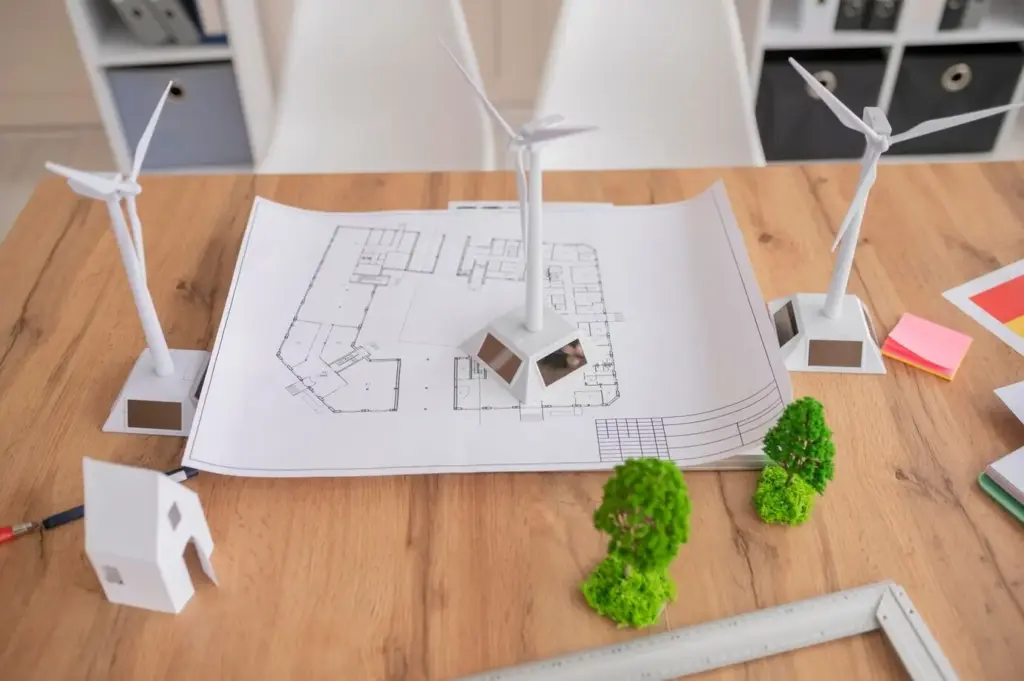
In a strong design-build practice, architects, engineers, project managers, and trade partners collaborate from day one. Structural realities shape aesthetic choices, and aesthetic goals influence structural strategies. Electricians, HVAC specialists, cabinetmakers, and tile artisans contribute early, preventing late-stage redesigns. The result is a plan that fits together elegantly, aligning details, materials, and timelines before demolition even begins.

Clarity for Homeowners from Day One

Instead of navigating separate contracts, competing processes, and contradictory advice, you work with one integrated team that translates your priorities into coordinated action. Questions about finishes, lead times, and costs receive unified answers. Every decision is weighed against schedule, budget, and feasibility in real time, giving you confidence, control, and a calmer journey from concept to completion.

From Sketch to Keys: A Seamless Process

A cohesive home doesn’t happen by accident; it emerges from a process designed for clarity and momentum. Design-build teams structure discovery, programming, schematic design, and preconstruction as one continuous arc. Your ideas are prototyped, priced, and refined in loops that balance aspirations with practical constraints, ensuring the plan you approve is truly buildable and beautifully aligned with your life.

Discovery and Goal Setting

It starts with listening. The team learns how you cook, gather, rest, and work, then maps circulation, storage, daylight, and acoustics accordingly. Constraints like setbacks, structural spans, and mechanical runs are identified early. Together you prioritize must-haves versus nice-to-haves, setting an actionable budget range that guides design toward solutions supporting daily rituals and long-term comfort.

Iterative Design with Real-Time Pricing

As layouts evolve, estimators and builders continuously price options, revealing the cost impact of moving walls, selecting windows, or upgrading insulation. This transparent loop avoids sticker shock later. You’ll see how modest adjustments unlock savings or performance improvements, and you’ll choose with confidence, knowing drawings and numbers are synchronized rather than hopeful sketches waiting for reality to catch up.

Construction Handoff Without Friction

Because the builders helped shape the design, they already understand intent, details, and sequencing. The handoff is more like a baton pass than a cold start. Submittals, long-lead items, and permits are anticipated. Site logistics and protection plans are ready. You’re not starting from scratch; you are accelerating a well-orchestrated plan toward a predictable, satisfying completion.

Collaboration That Cuts Waste

Waste in remodeling shows up as rework, downtime, and miscommunication. Design-build teams reduce these losses by coordinating trades early, planning deliveries, and testing assumptions before materials arrive. Lean principles encourage pull planning, clear responsibilities, and meaningful checkpoints, so each trade’s work supports the next. That rhythm protects your budget, respects your time, and preserves your patience during construction.

Open-Book Estimating and Allowances

Line-item estimates reveal labor, materials, and markups, while allowances identify items pending selection, such as plumbing fixtures or tile. You can reallocate funds strategically, shifting resources toward high-impact areas. This openness turns budget discussions into strategic design conversations, aligning every dollar with the outcomes you genuinely value at home each day and for many years ahead.

Value Engineering Without Compromise

Thoughtful alternatives maintain performance and aesthetics while controlling cost. Maybe a different cabinet construction method saves thousands without sacrificing function, or a framing tweak eliminates steel. The team evaluates lifecycle costs, installation complexity, and maintenance, ensuring savings today do not create headaches tomorrow, preserving cohesion across finishes, proportions, and light, rather than fragmenting the design intent.

Materials and Methods That Matter

Cohesion relies on materials that speak the same language across rooms. Design-build teams align surfaces, profiles, and proportions with construction techniques that support them. Durable assemblies, moisture management, and practical maintenance considerations sit alongside color, texture, and light, ensuring beauty isn’t fragile. The result is a home that looks unified, lives comfortably, and ages with quiet confidence.

Durable Finishes for Everyday Living

Quartz countertops that resist stains, engineered flooring that handles pets, and tile suited for wet zones reduce stress and preserve beauty. The team tests samples in context, considering thresholds, transitions, and trim. Choosing with construction knowledge prevents awkward details, ensuring the tactile experience of your home feels intentional, resilient, and consistent from foyer to family room.

Energy Efficiency and Healthy Homes

Air sealing, insulation strategies, and right-sized mechanicals improve comfort and lower bills. Low-VOC finishes and balanced ventilation support healthier indoor air. Because design and construction are integrated, the team coordinates penetrations, flashing, and duct runs so performance targets survive value decisions. Your renovation becomes quieter, warmer, and healthier without sacrificing aesthetics or the character you love.

Craftsmanship You Can Feel

Aligned reveals, consistent sightlines, and crisp joinery express quality immediately. In a coordinated process, trim profiles match window proportions, cabinet fillers are minimized, and tile layouts respect focal points. Small decisions add up to a serene visual rhythm. You sense the care every time a door closes solidly or morning light catches a perfectly set corner.

Real Homes, Real Results
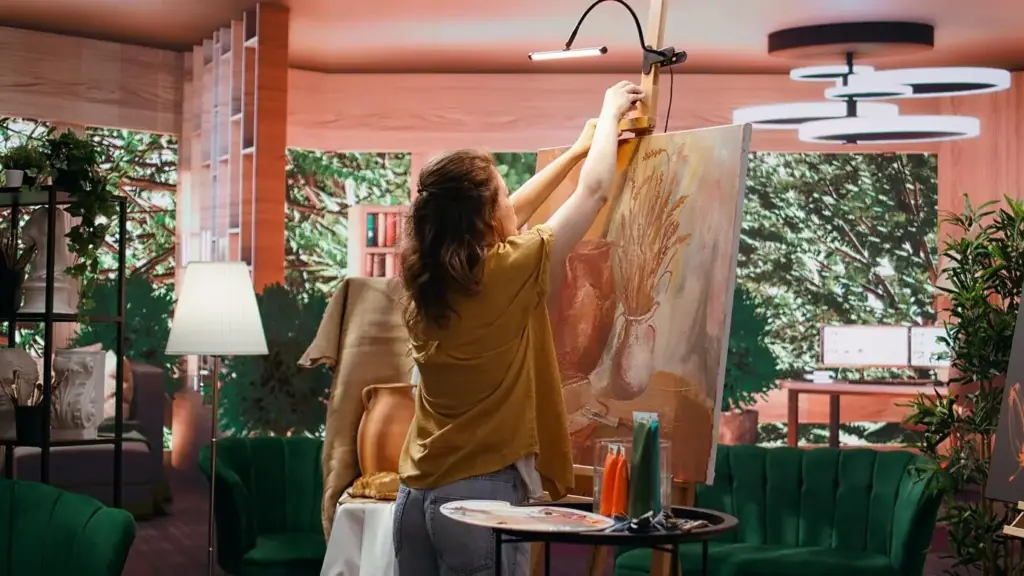
Case studies illuminate what coordination delivers. Families report fewer midstream changes, clearer pricing, and a smoother daily experience during construction. Designers and builders describe how early collaboration unlocked better layouts and smarter structure. Most importantly, homeowners say the finished spaces feel cohesive and calm, reflecting their routines and values with a clarity they had struggled to achieve alone.

A Kitchen That Finally Works

One family’s galley kitchen felt cramped, dark, and disconnected from the backyard. The design-build team reoriented work zones, widened circulation, and aligned window heights with cabinetry. Real-time pricing guided appliance choices and trim details. Construction flowed because framing and mechanical routes were vetted early, delivering a bright, social kitchen where cooking, homework, and weekend brunch naturally converge.

An Addition That Belongs

A rear addition often looks tacked on. Here, early collaboration matched roof pitches, brick coursing, and window proportions, making the new volume feel original. Structural input preserved key openings, and insulation upgrades improved comfort. The interior transitions are seamless, with flooring, casing, and lighting temperatures aligned, so the added square footage enhances flow rather than shouting for attention.

Questions to Ask in Interviews

Ask how they handle change orders, what their average variation from initial estimates is, and how they sequence selections. Request examples of projects similar to yours and inquire about lessons learned. Clarify who your day-to-day point of contact will be. You’re not just hiring skill; you’re choosing a communication style you’ll live with for months.

Red Flags and Green Lights

Beware of vague schedules, shifting estimates without explanation, and dismissive attitudes toward permits, moisture control, or ventilation. Green lights include open-book practices, documented processes, and enthusiastic trade partners who have worked together repeatedly. When transparency, teamwork, and curiosity show up early, they tend to persist, protecting your investment and shaping a renovation journey grounded in trust.
Mirupopopalunazovo
Privacy Overview

This website uses cookies so that we can provide you with the best user experience possible. Cookie information is stored in your browser and performs functions such as recognising you when you return to our website and helping our team to understand which sections of the website you find most interesting and useful.