

Make Your Home Speak One Language

Today we explore creating a cohesive home aesthetic by coordinating architecture, materials, and textiles, aligning proportions, finishes, color stories, and fabric textures so every room feels connected without monotony. Expect practical steps, real-world anecdotes, and adaptable strategies for clarity, comfort, and character. Tell us what room challenges you most, and we’ll tailor future insights.

Align the Bones: Architecture as the Anchor

Reading the Plan Like a Narrative

Trace common paths and sightlines from entry to kitchen to living areas, noting how thresholds, soffits, and window placements guide the eye. If views feel cluttered, consider eliminating redundant trims or reinforcing a clean datum line. Share a photo of your plan or a quick sketch, and we can suggest one tidy alignment move that changes everything.

Proportion and Scale That Quietly Support Life

Baseboard heights, door stiles, and window mullion spacing influence how textiles and furnishings visually rest. When a sofa back aligns with a sill or a curtain header meets a clear transom, the room calms. Borrow ratios from existing features to size headboards, art groupings, and rug borders. Post your measurements, and we’ll help calibrate them thoughtfully.

Continuity Moves That Guide the Eye

Repeat a subtle curve from an archway in a rug border or mirror frame, echo a reveal detail along cabinetry, or continue a shadow line through a niche. These small architectural motifs let different rooms converse gracefully. Try identifying one line to carry forward, then tell us how it changed the way you perceive the space.

A Material Palette That Sings Together

Wood Strategy: Species, Finish, and Direction

Decide on a dominant species for floors or casework, then complement with a secondary wood in a different role. Keep undertones consistent—cool oak with cool linens, warm walnut with camel wool. Vary sheen for depth without chaos. Share samples or photos of existing pieces, and we’ll suggest finishes that harmonize rather than compete.

Stone and Tile: Veining, Scale, and Transitions

Marble’s strong veining pairs best with restrained textiles; quieter quartzites invite bolder weaves. Scale matters: large-format tiles calm small rooms, mosaics add sparkle in controlled doses. Plan threshold details so materials hand off gracefully. Upload lighting conditions or paint choices, and we’ll map undertones to avoid surprises between slab yards and home lighting.

Metals and Patina: The Finishing Choreography

Mixing metals works when one finish leads and others support with consistent warmth. Aged brass door hardware can echo in lamp bases, while matte black frames ground silhouettes. Embrace patina so wear looks intentional. Tell us your faucet, lighting, and hardware picks, and we’ll organize a balanced metal hierarchy with effortless continuity.

Upholstery Foundations That Set the Tone

Anchor seating with two base fabrics that balance texture and durability—think tightly woven performance linen for longevity, wool blends for warmth and resilience. Then layer one statement textile sparingly across cushions or an accent chair. Show us your floor finish and wall color, and we’ll propose fabric weights that harmonize instead of fighting for attention.

Curtains, Shades, and the Dance of Light

High-mount curtains elongate walls, while aligned shade hems create elegant horizons. Choose linings to manage glare and preserve fabric color. Consider double treatments where privacy and mood vary across dayparts. Post a window measurement and orientation, and we’ll recommend pleat styles, stack-back allowances, and materials that connect architecture and ambiance beautifully.

Rugs, Acoustics, and Grounded Comfort

Rug size dictates visual order; aim to capture front legs of seating or fully float a vignette. Natural fibers offer breathability, while blends improve resilience in busy zones. Underlays reduce echo and protect floors. Share room dimensions and existing surfaces, and we’ll outline sizes, pile heights, and patterns that unify without overwhelming.

Color, Light, and Mood Working in Concert

Color cohesion thrives on undertone continuity and measured contrast. Daylight changes everything, and artificial lighting can either rescue or ruin a palette. We’ll help you plan a restrained color story, coordinate tint strength with textiles, and layer illumination. Tell us your compass exposures, and we’ll calibrate pigments and bulb temperatures intelligently.

Undertones and the Science of Metamerism

Colors shift across lighting types, so test paint on primed boards and move them through rooms at various hours. Read undertones by comparing neutrals side by side. Reference textiles when choosing whites. Share photos under morning, midday, and evening light, and we’ll translate these shifts into dependable paint and fabric pairings you can trust.

A Layered Lighting Plan for Harmony

Combine ambient, task, and accent lighting so materials and textiles reveal their best qualities. Warmer temperatures cozy wood; neutral whites flatter stone. Use dimmers and zones for nuanced control. Provide ceiling heights and fixture ideas, and we’ll sketch a layered plan that emphasizes rhythm, avoids glare, and highlights architectural features convincingly.

Swatches, Mockups, and Decision Confidence

Collect fabric swatches, finish samples, and paint cards, then create a portable flat lay to judge harmony in real conditions. Tape rugs, pin drapery trials, and sit with them over a week. Post your flat lay photo, and we’ll offer adjustments, noting any clashes in undertone, scale imbalance, or unnecessary duplication that muddles cohesion.

Room-to-Room Flow Without Repetition
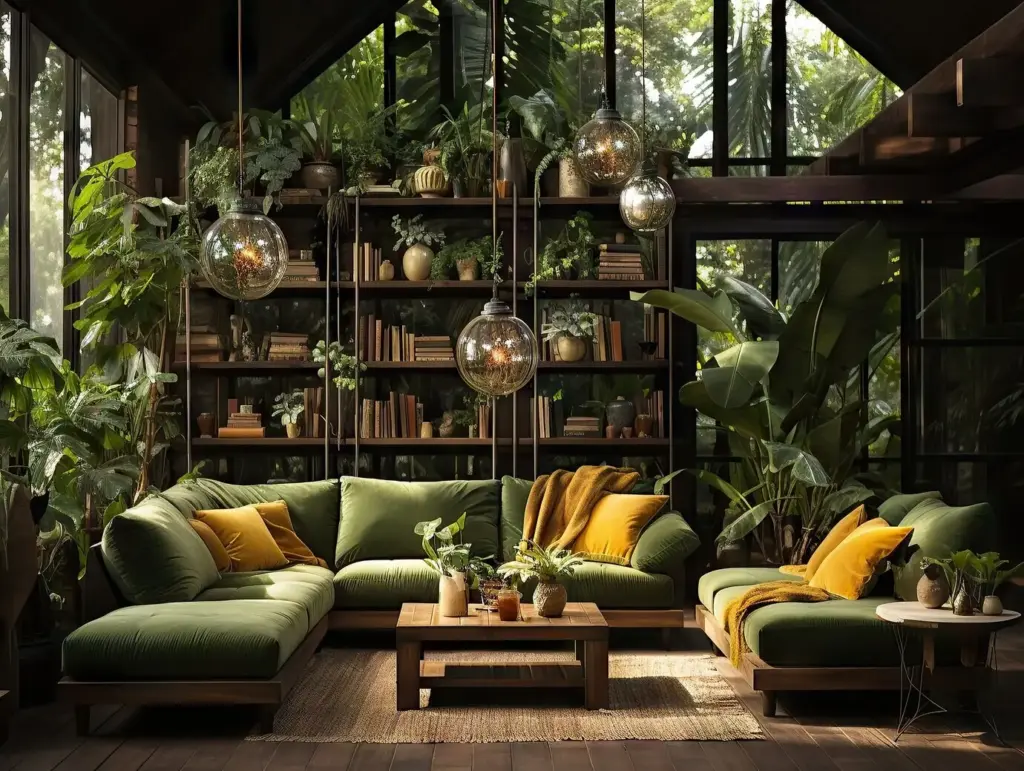
Welcoming Entries and Living Areas That Connect

Let the entry hint at materials and colors to come—perhaps the same wood species in the console and floor, with a softer echo in a living room throw. Mirror heights align with door headers for coherence. Send photos of both spaces, and we’ll suggest one shared motif that feels intentional rather than staged.

Kitchens That Balance Work and Warmth

Cabinet rhythm can mirror door spacing elsewhere, while textiles—the banquette cushion, runner, and cafe curtains—soften acoustics and tie to adjacent rooms. Mix a primary counter with a quietly veined companion. Share cabinet finishes and floor material, and we’ll recommend linens and metal accents that support daily cooking without visual fatigue.

Bedrooms Framed for Restorative Calm

Borrow a hallway tone two shades softer, reuse a metal finish on bedside lamps, and shift fabric texture toward plush comfort. Layer blackout with sheer for nuanced light. Provide bed size, window placement, and noise concerns, and we’ll shape a fabric and finish palette that restores while echoing the home’s broader language.

Durable Choices and Care That Preserve Beauty

Performance fabrics with martindale ratings, solution-dyed fibers, and removable covers withstand daily life. Hardwax oils simplify wood maintenance, while breathable sealers protect stone without plastic shine. We’ll share cleaning schedules and stain triage tips. Post your household habits, and we’ll match durability profiles to zones so cohesion survives real use gracefully.

Responsible Sourcing and Honest Materials

FSC-certified wood, low-VOC finishes, and third-party-tested textiles reduce indoor pollutants and support forest stewardship. Recycled content tiles or vintage rugs add soul while conserving resources. Share your sourcing radius and brand preferences, and we’ll assemble options that respect ethics, availability, and the tactile integrity essential to a truly coherent home.
Mirupopopalunazovo
Privacy Overview

This website uses cookies so that we can provide you with the best user experience possible. Cookie information is stored in your browser and performs functions such as recognising you when you return to our website and helping our team to understand which sections of the website you find most interesting and useful.